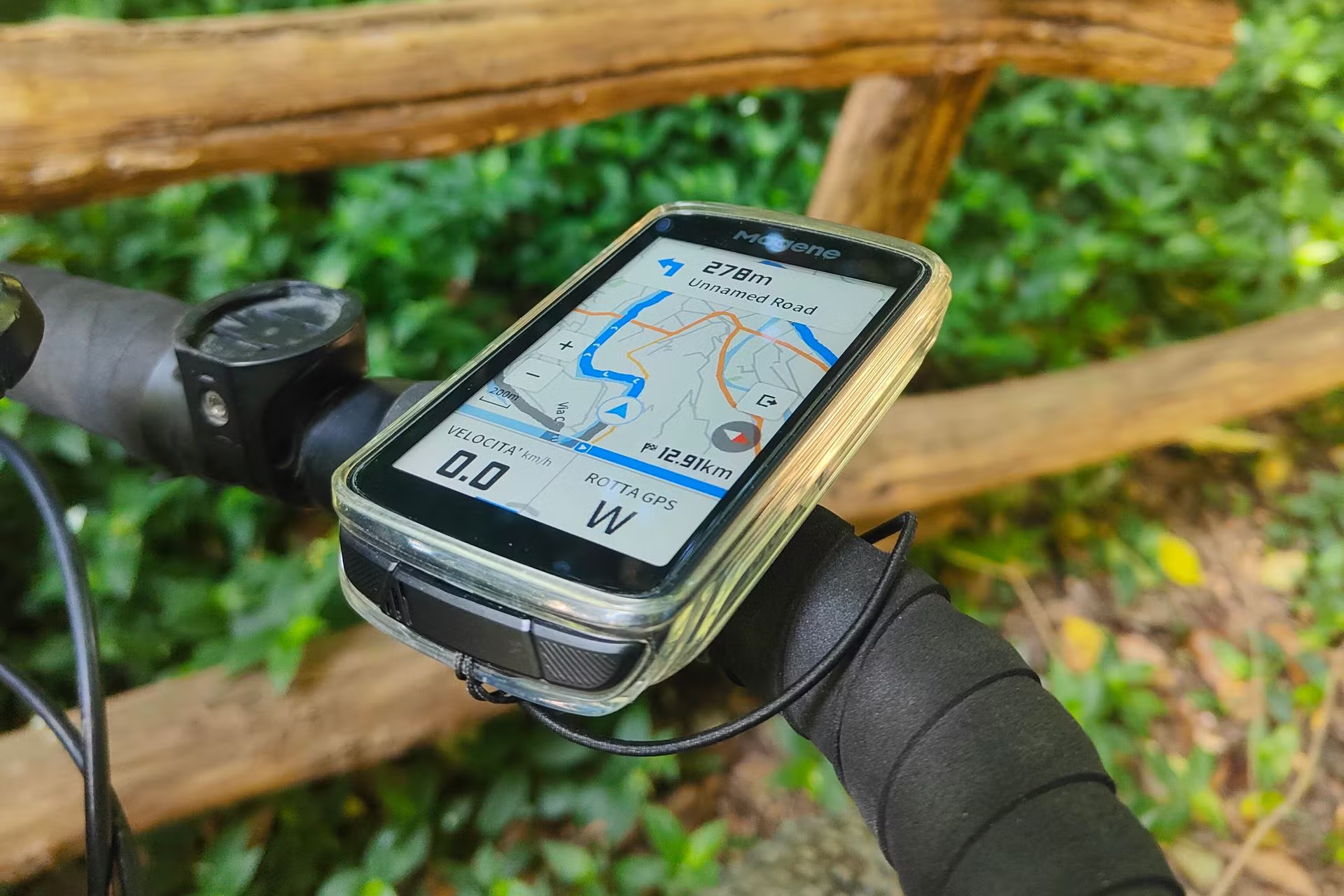
I admit it, I got quite lured in by the price and convinced by the advertising. That's why, when my old smartphone that I used for navigating around the world for more than three years started showing signs of giving out, I decided to try a different brand—lesser-known but creating quite a buzz. I purchased the Magene C706 GPS bike computer, but the result wasn't what I hoped for.
In this article
The new Chinese brand of outdoor GPS devices is generating a lot of talk, and although I consider myself someone who carefully evaluates purchases, this time I admit that the social media advertising and the many positive reviews I read made me make a choice that, in hindsight, I think was premature to say the least.
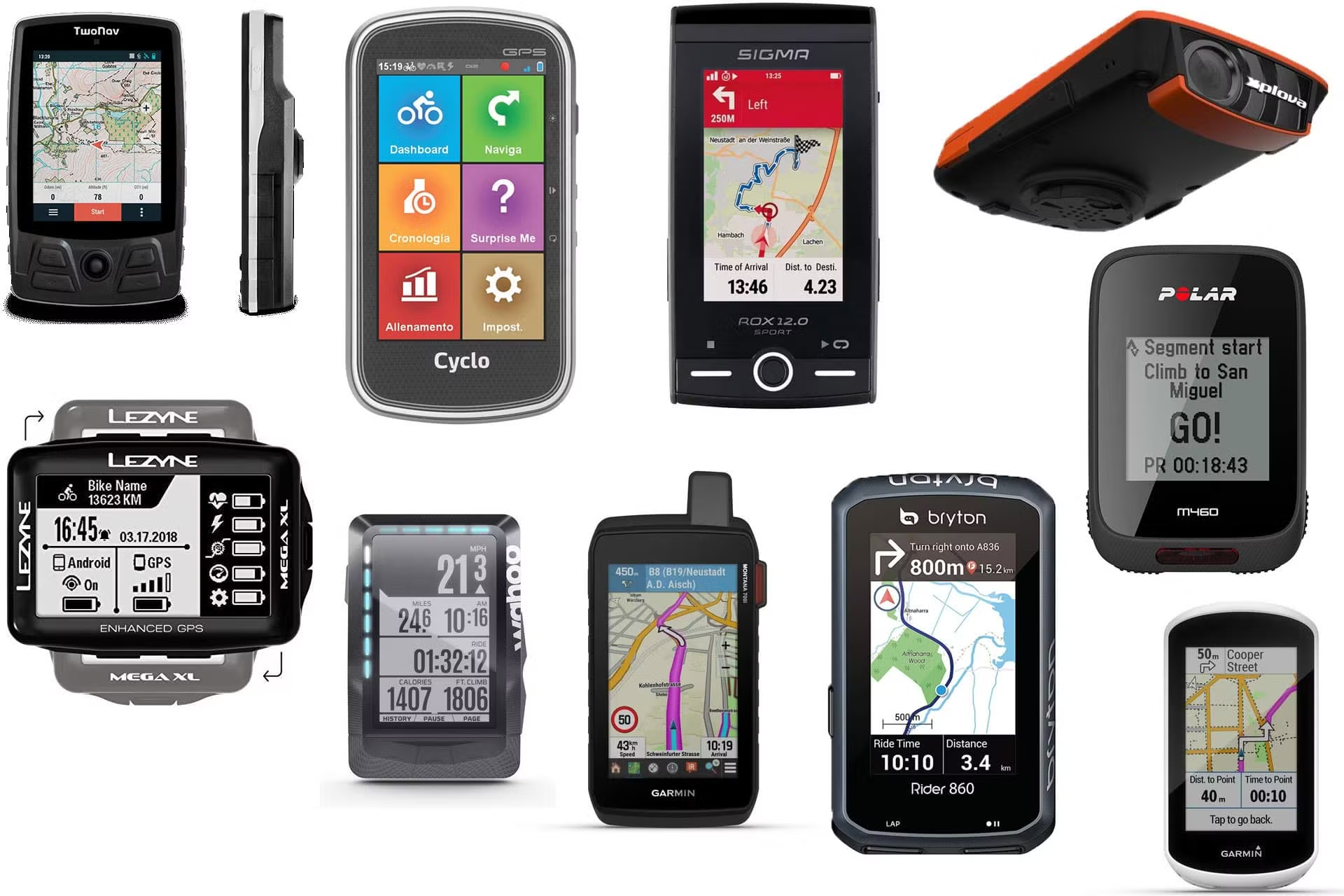
The super competitive price lured me in even more: it's €229 for a product that, according to many, is supposed to compete with the top of the range from Garmin, Bryton, Wahoo, and all the best bike GPS devices. So let's take things in order and give a judgment, always personal of course, on this Magene C706 that I bought about 3 months ago.
Technical Features
The Magene C706 comes with an interesting spec sheet, highlighted above all by its generous screen and a complete suite of sensors. However, as we will see, numbers on paper don't always translate into a smooth user experience in the field.
The main technical specifications of the Magene C706 are as follows:
- 3.3" touchscreen display TFT with auto-brightness sensor
- Physical dimensions: 5.5 x 9.7 x 1.48 cm
- Weight: 110 g
- Battery: 17-25/28 hours, USB-C charging in 2h
- Waterproofing: IPX7
- Memory: 8 GB
- GNSS: Dual-band GPS(L1+L5), Beidou, Glonass, Galileo, QZSS
- Connectivity: WiFi, Bluetooth 5.0, ANT+
- Water resistance rating: IPX7
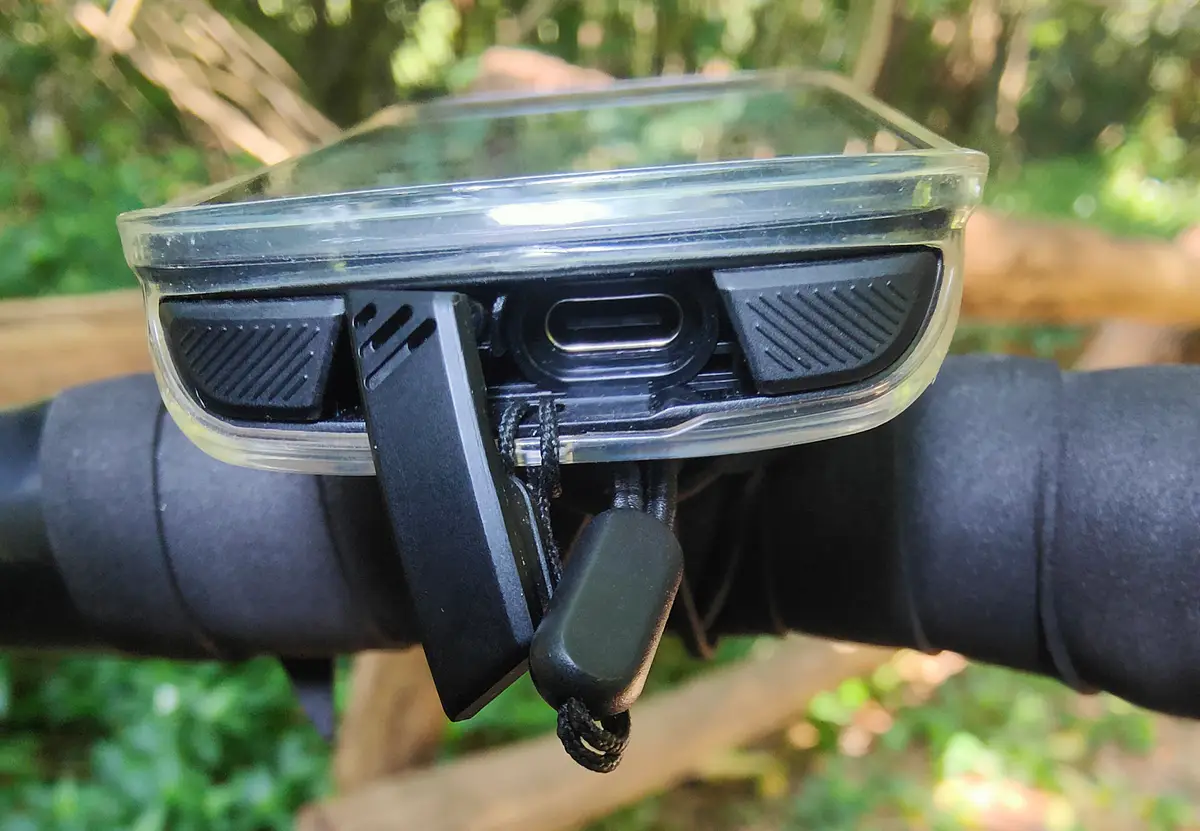
The package contains the bike computer, a safety lanyard, a handlebar mount, a protective tempered glass, and a USB-C charging cable.
Good Hardware
Let's start with the good news: the build quality is there.
The hardware is solid, the materials feel well-made to the touch, and the assembly is neat. The mounting system, compatible with Garmin mounts, is made of aluminum instead of plastic, which improves durability and the solidity of the attachment.
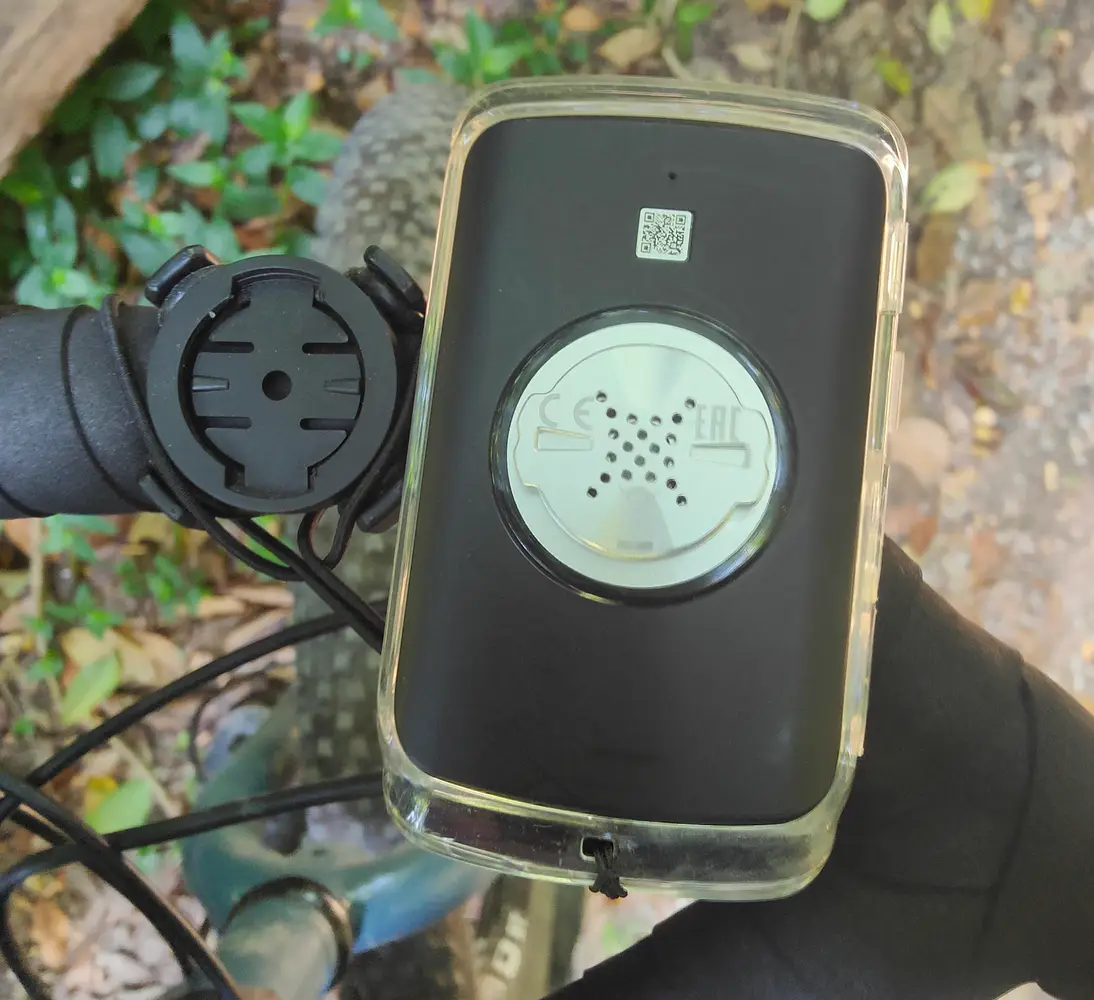
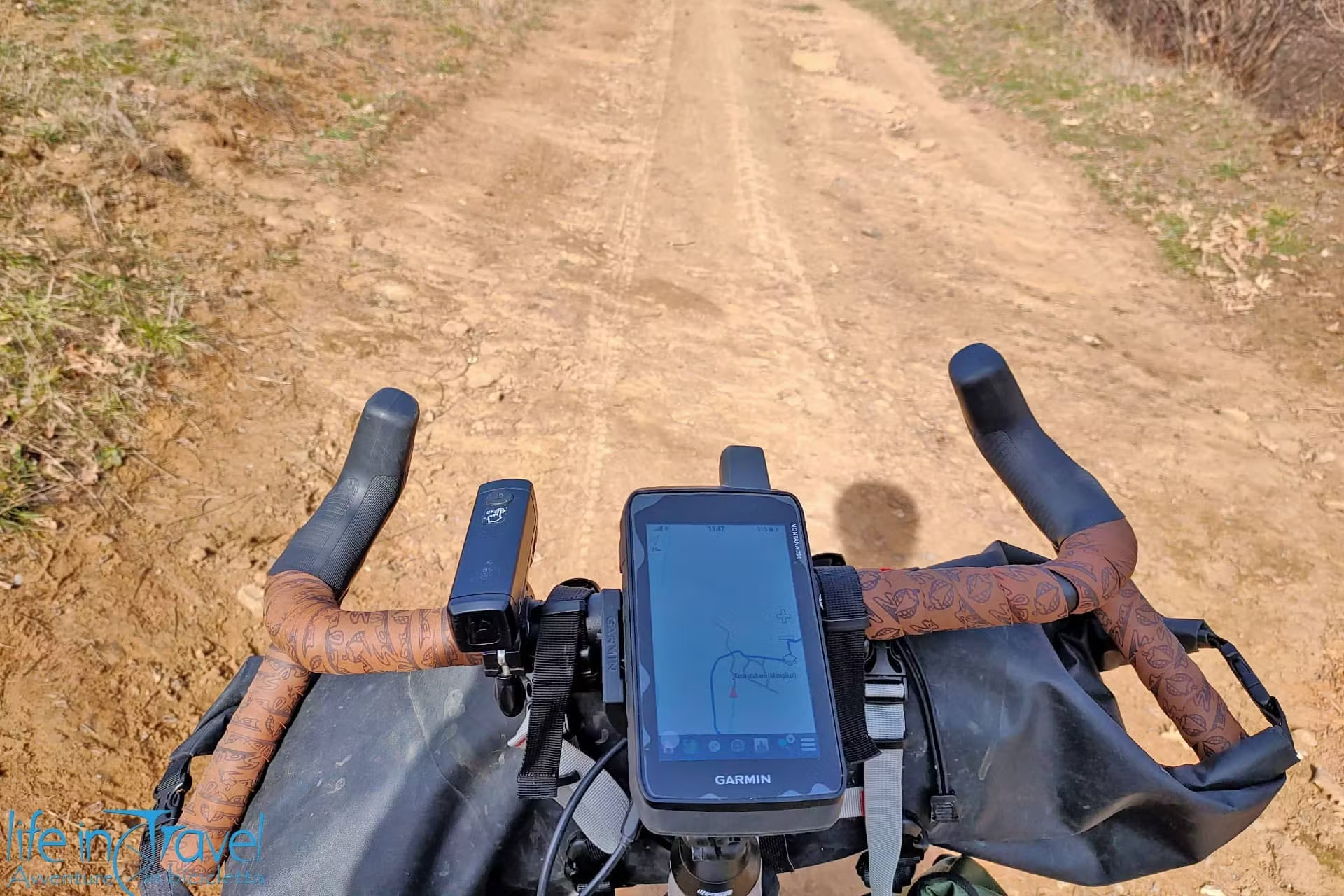
Satellite reception is stable and the screen is bright and adaptable to any lighting condition, although with the polarized glasses I've been using lately (with prescription lenses), the difference in visibility compared to a Garmin 1080 that I compared during a trip is remarkable: with the Magene I have to take off my glasses to see the screen, with the Garmin I don't.
Battery life is good but doesn't quite meet expectations: I thought I could use it for multi-day trips, but after 2 days of outings, the device is out of juice. In any case, from a hardware standpoint, you really can't complain; Magene has done its homework, offering a physical foundation that has little to envy from more celebrated brands.
3.3" Screen: Yes, but what about the map?
This is where the real problems begin.
Having a generous 3.3-inch display at your disposal is a great calling card, but it is completely wasted in how it handles cartography.
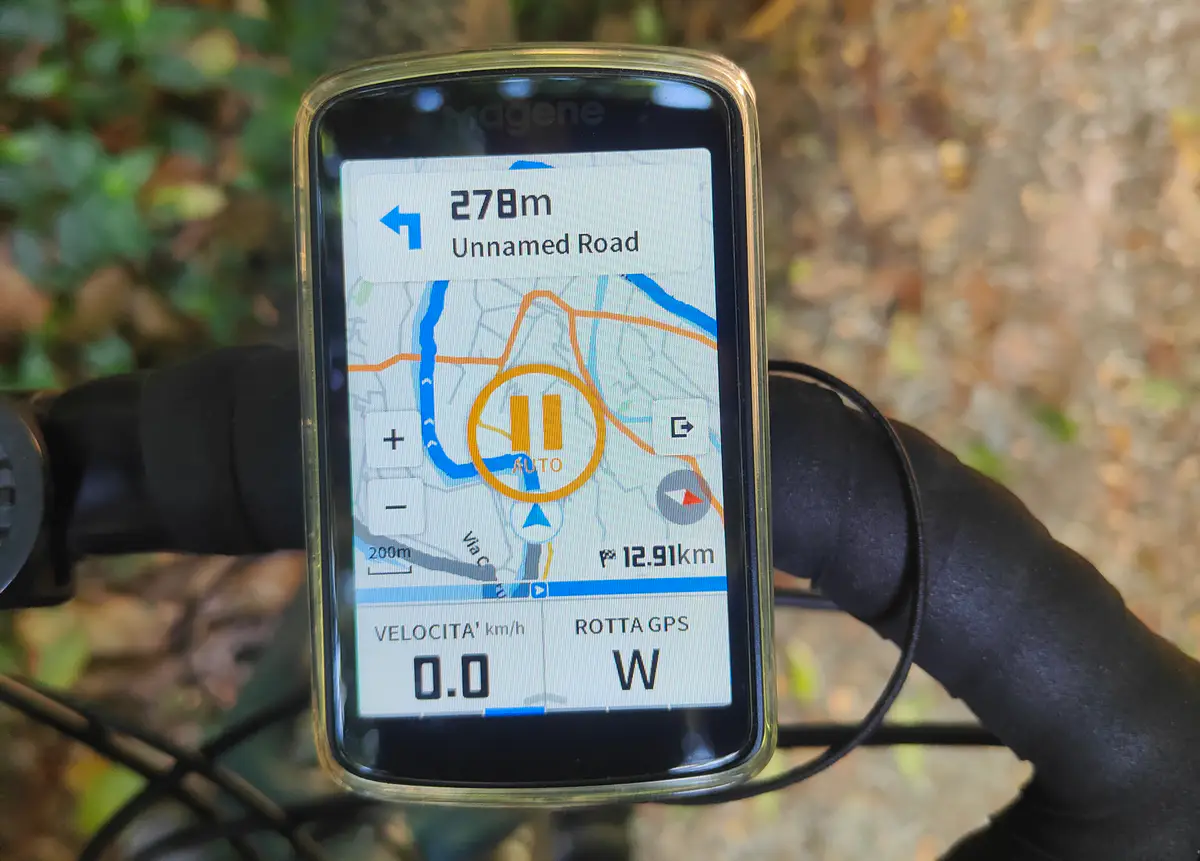
The map display is not allowed in full screen, but only in a "2-column" layout, meaning with another data field at the very bottom that takes away about a quarter of the space. Furthermore, the zoom is definitely poor (minimum 50 m), making navigation frustrating during rides, especially at the most complex junctions that need checking.
As if that weren't enough, the system is totally closed: there is the absolute impossibility of uploading custom maps (perhaps more detailed ones or specific to MTB, for example). A contradiction for such a large screen.
Software: Still quite a long way to pedal
While the hardware is convincing, the software disappoints almost across the board.
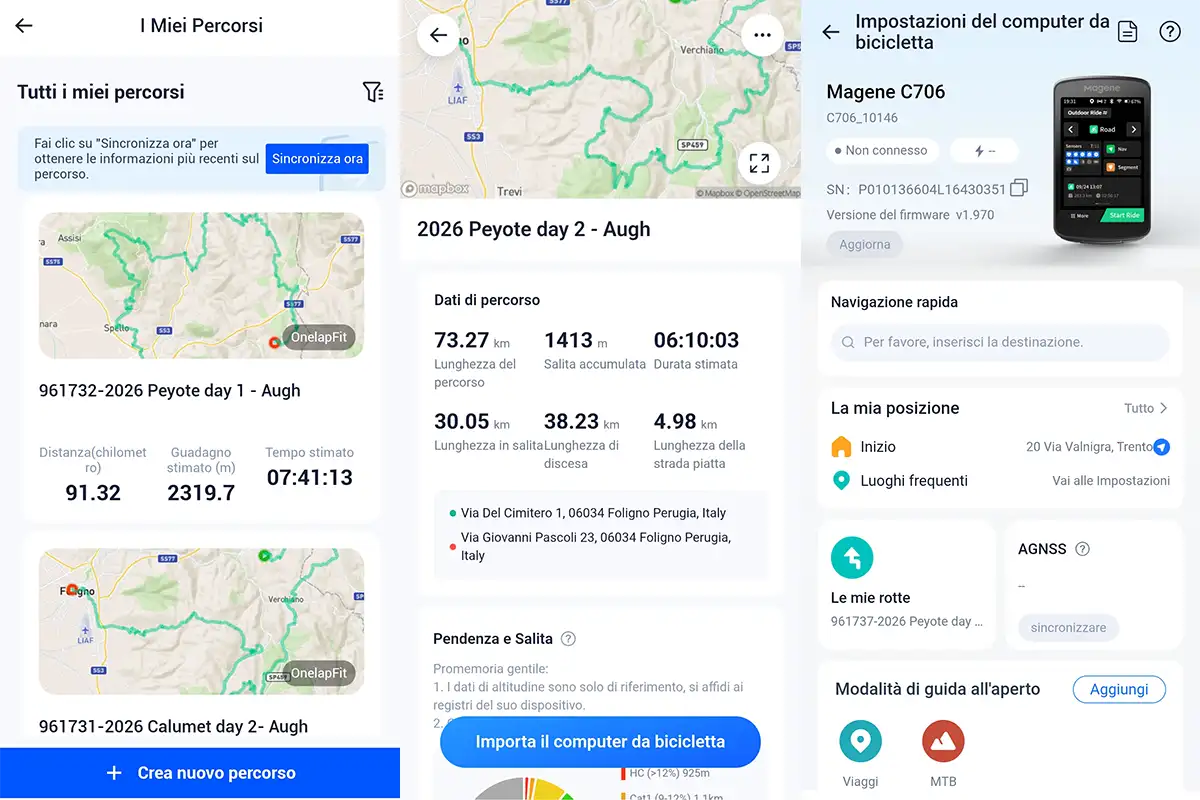
The user experience is hampered by terrible Italian translations, which are often rough or blatantly incorrect.
The ecosystem is also incredibly locked down:
- there is a strict requirement to go through their proprietary application for any operation.
- it is impossible to directly download tracks in GPX format (the universal standard), forcing the user to use only FIT files.
- third-party connectivity is bare-bones: there is support for Strava and TrainingPeaks, but the app suffers from a complete lack of integration with essential platforms for cyclists like Komoot, Wikiloc, and many others. If you plan your routes on these apps, prepare to jump through hoops.
Pros and Cons of the Magene C706
Pros
- Bright and wide screen
- Vast data screen customization options
- Solid hardware quality and rugged materials
- Good GPS reception
Cons
- Terrible map management: small view and poor zoom
- Closed software: mandatory use of the Magene app and only .FIT files (no GPX)
- Software isolation: lacks connectivity with Komoot, Wikiloc, and similar platforms
- Terrible and rough system translations
Conclusions
Ultimately, the GPS bike computer market is increasingly competitive, and Magene seemed to me like a valid alternative to the usual well-known names. In reality, on paper, its new C706 has the features to break into the market (and given the aggressive marketing campaign they are running, it is highly likely it will... after all, I bought it too, didn't I?!?). However, when put to the test—especially on the smart and software side—the device shows all its limitations, leaving the impression of a product that is still "unrefined."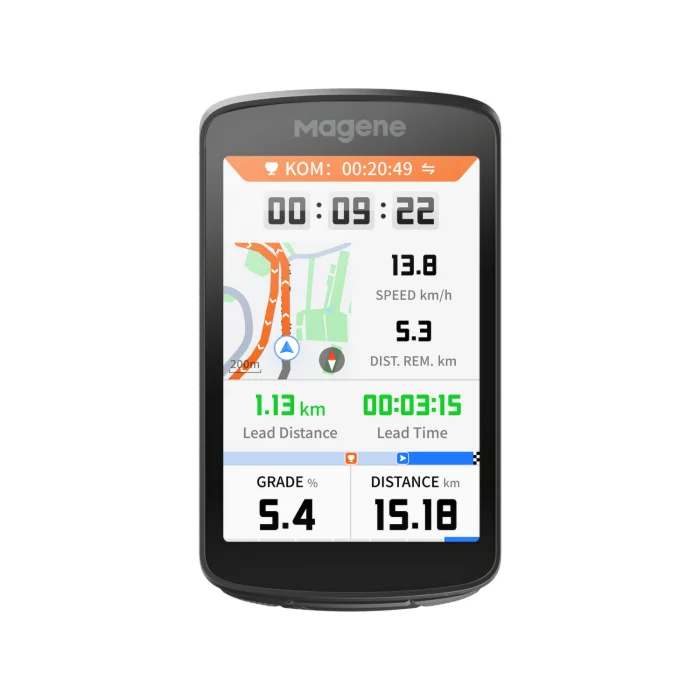
The Magene C706 has the "physique" to compete, but the brain isn't ready yet. Until Magene opens up its software to third-party apps and fixes map navigation, this GPS remains a missed opportunity, recommended only to those looking for a large screen to read numerical data and who have no advanced navigation needs.
In short, if you are a road cyclist, use Strava as your main app, and don't care about navigation as much as ride data (ClimbPro, etc.), and maybe want connectivity with radar systems, electronic shifting, and various sensors, then you might consider it because the price is truly competitive.
If you travel by bike and want a GPS that allows you to navigate well and make decisions on the go, stick to the classic brands, at least until there is a truly noticeable improvement in software management.